
The Phoenicians
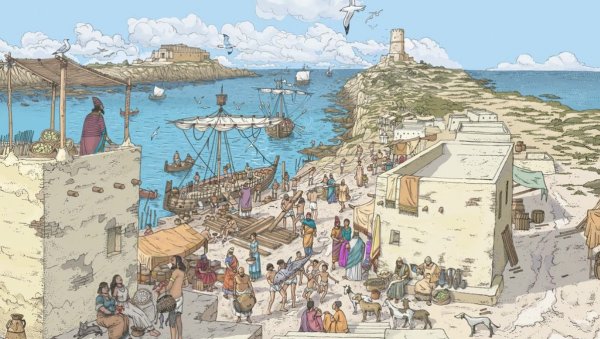

The Phoenicians can truly be regarded as the astronauts of the ancient world. Like astronauts exploring new frontiers today, they ventured far beyond the horizons known to their contemporaries.
From their homeland on the eastern shores of the Mediterranean, they sailed across all the known seas of their time. Wherever they travelled, they left a lasting mark on the lands they visited and the communities they established, beginning as early as the 12th century BC.
Their presence along the Mediterranean coast of Andalucía was particularly significant. They founded cities and trading settlements from which they developed thriving relationships with the local peoples on both sides of the Strait of Gibraltar.
In this lecture, we will explore the remarkable Phoenician heritage of the coastal regions of Málaga, Granada and Almería. We will visit the archaeological sites that reveal their history and examine the cultural legacy they left behind in Mediterranean Andalucía. We will also discover their extensive trading networks, their traditions and cultural roots, their strategic use of geography, and the lasting influence they had on this part of the Mediterranean world.
About the Lecturer
 Manuel Parodi
With a PhD in History and Archaeology, Manuel is an analyst and manager of cultural heritage. He is the author (as sole author, co-author or scientific coordinator) of 43 books, 250 scientific articles and more than a thousand informative articles on History and Heritage.
Professor in the Masters of Historical and Archaeological Heritage and Tourism and the Aula de Mayores of the University of Cádiz, he has taught as a visiting professor in various Spanish and foreign universities, participating in international research projects in Morocco, Italy and Portugal.